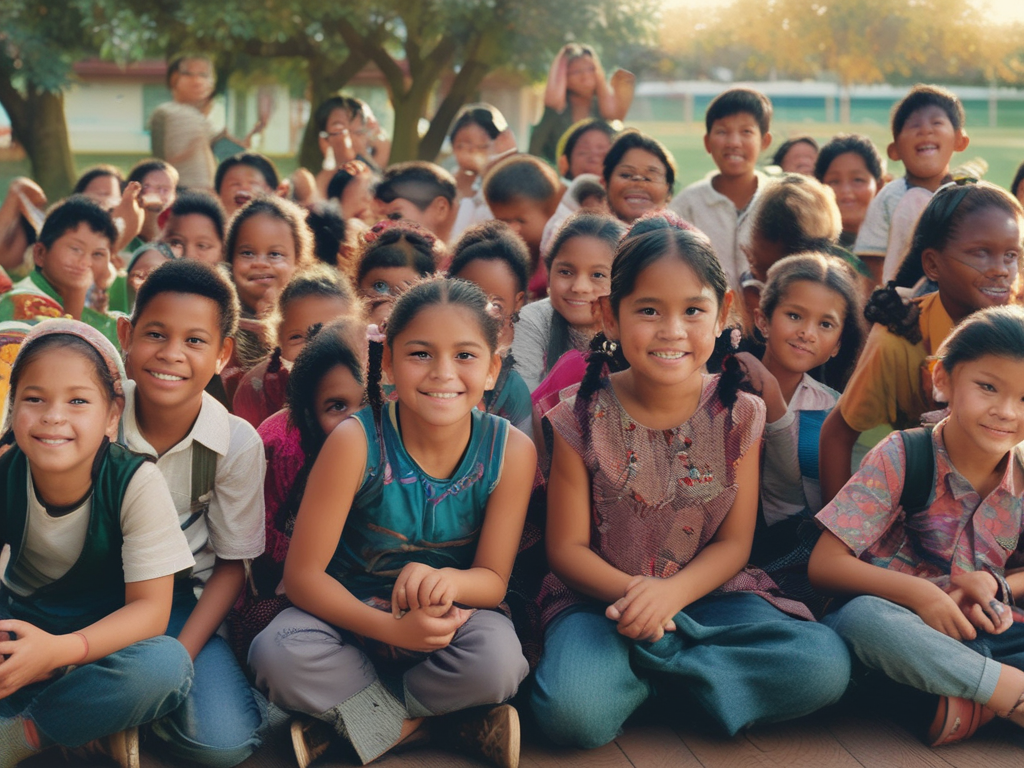
Welcome back to our first-grade cubhouse! Our classroom is a vibrant mix of little cubs, each with unique backgrounds, traditions, and ways of learning. Today, we’ll explore how to create a classroom that celebrates this diversity and meets the cultural needs of all our cubs.
Every cub brings a rich tapestry of experiences to our classroom. Recognizing and incorporating these diverse cultures isn’t just respectful – it’s powerful! Here’s why:
- Building a Safe and Inclusive Space: When students see their culture reflected in the classroom – through books, decorations, or activities – they feel valued and included. This fosters a sense of belonging and creates a safe space for learning and sharing.
- Fostering Global Citizens: By learning about different cultures, students develop a broader worldview and appreciation for others. This builds empathy and understanding, preparing them to be respectful and engaged citizens in a globalized world.
- Unleashing the Power of Connection: When cubs can connect lessons to their own cultural backgrounds, learning becomes more meaningful and engaging. This allows them to build bridges between their home lives and school experiences.
So, how can we cultivate a culturally responsive classroom for our first graders? Here are some ideas:
- Get to Know Your Cubs: Take time to learn about your cubs’ cultural backgrounds, traditions, and languages. This can be done through conversations with parents or students themselves.
- Embrace Diverse Literature: Fill your classroom library with books that celebrate a variety of cultures and ethnicities. Look for stories with characters that reflect your students’ backgrounds, and introduce folktales or myths from different cultures.
- Integrate Cultural Activities: Incorporate age-appropriate activities that celebrate different cultures throughout the year. This could involve exploring traditional music, learning simple greetings in different languages, or creating art projects inspired by cultural symbols.
- Create a Welcoming Environment: Decorate your classroom with multicultural elements, such as flags, artwork,or maps. Encourage cubs to share objects or traditions that hold significance in their cultures.
Remember, creating a culturally responsive classroom is a journey, not a destination. By embracing diversity and making an effort to understand our cubs’ backgrounds, we can create a thriving cubhouse where every polar bear feels nurtured and empowered to grow.
Do you have any experiences or tips for meeting the cultural needs of students in the classroom? Share them in the comments below! Let’s keep our cubhouse flourishing together!

 Polar Bears Cubhouse
Leave a comment