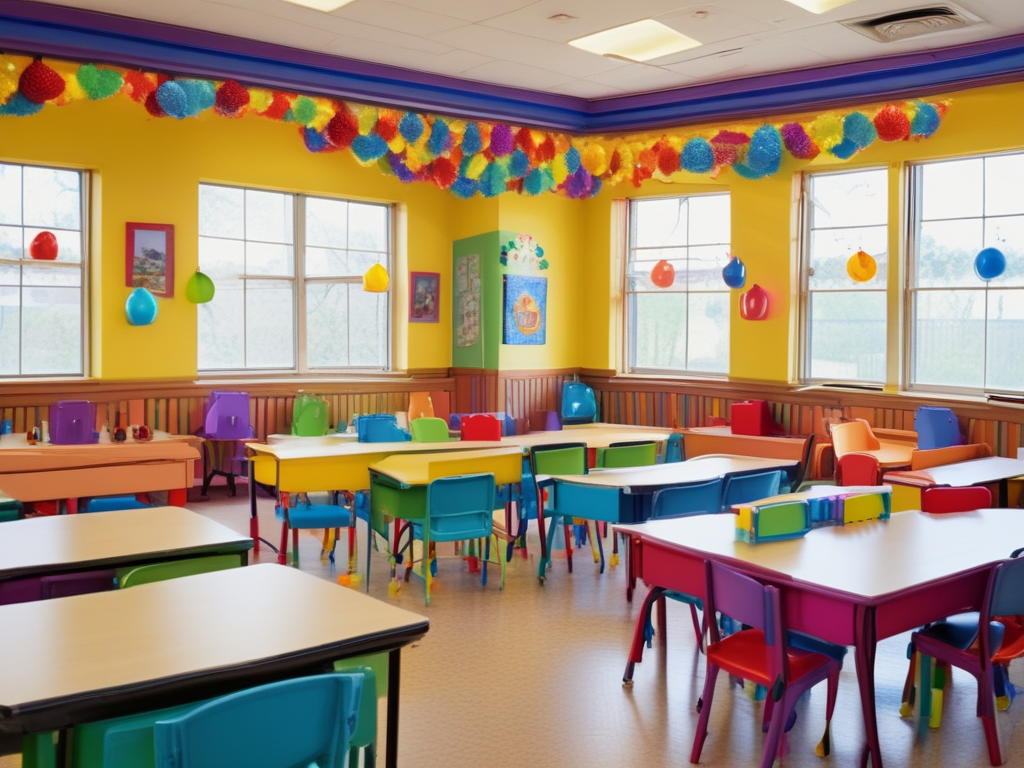
First grade is a whirlwind of discovery! From mastering letter sounds to making new friends, every child develops at their own pace. As teachers, we strive to create a classroom environment that caters to these individual needs. This is where differentiation comes in – our superpower for reaching all learners!
What is Differentiation?
Differentiation isn’t about creating a separate lesson plan for each student. It’s about strategically adapting instruction,content, and assessments to meet the unique learning styles and needs of each child in your classroom. Think of it like putting together a personalized learning adventure for each little superhero!
Differentiation in Action:
There are many ways to differentiate in your first-grade classroom:
- Content:
- Tiered activities: Provide leveled activities based on difficulty to reinforce the same concept. For example,some students might practice blending simple CVC words, while others tackle sight word recognition.
- Choice boards: Empower students with options for how they demonstrate understanding. They might choose to write a story, draw a picture, or create a model to showcase their learning.
- Process:
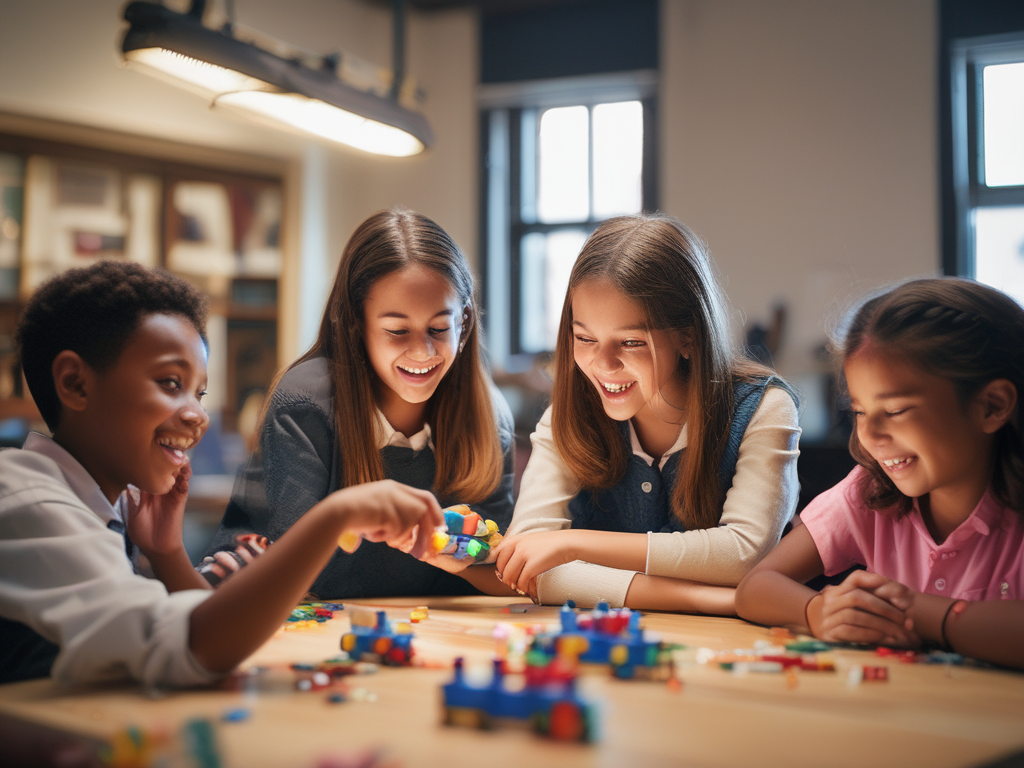
- Learning centers: Design engaging learning centers that cater to different learning styles (visual, kinesthetic,auditory). Students can rotate through stations to practice reading, writing, math, and social-emotional skills at their own pace.
- Small group instruction: Carve out time for targeted small group lessons to address specific needs or provide enrichment activities.
- Product:
- Multiple intelligences: Offer students a variety of ways to showcase their learning that tap into their strengths. This could include presentations, drawings, building models, or writing stories.
- Open-ended activities: Encourage creativity and critical thinking with open-ended activities that allow students to demonstrate their understanding in unique ways.
Getting Started with Differentiation:
Here are some tips for implementing differentiation in your first-grade classroom:
- Know your students: Pre-assessments and ongoing observations are key to understanding each student’s strengths and areas for growth.
- Start small: Don’t overwhelm yourself – try differentiating one aspect of a lesson at a time.
- Embrace flexibility: Be prepared to adapt your plans based on student needs and interests.
- Celebrate the journey: Differentiation is all about progress, not perfection.
By embracing differentiation, you can create a classroom where every first grader feels challenged, supported, and empowered to reach their full potential. Remember, in the world of learning, every student is a superhero with unique powers waiting to be unleashed!

 Polar Bears Cubhouse
Leave a comment